

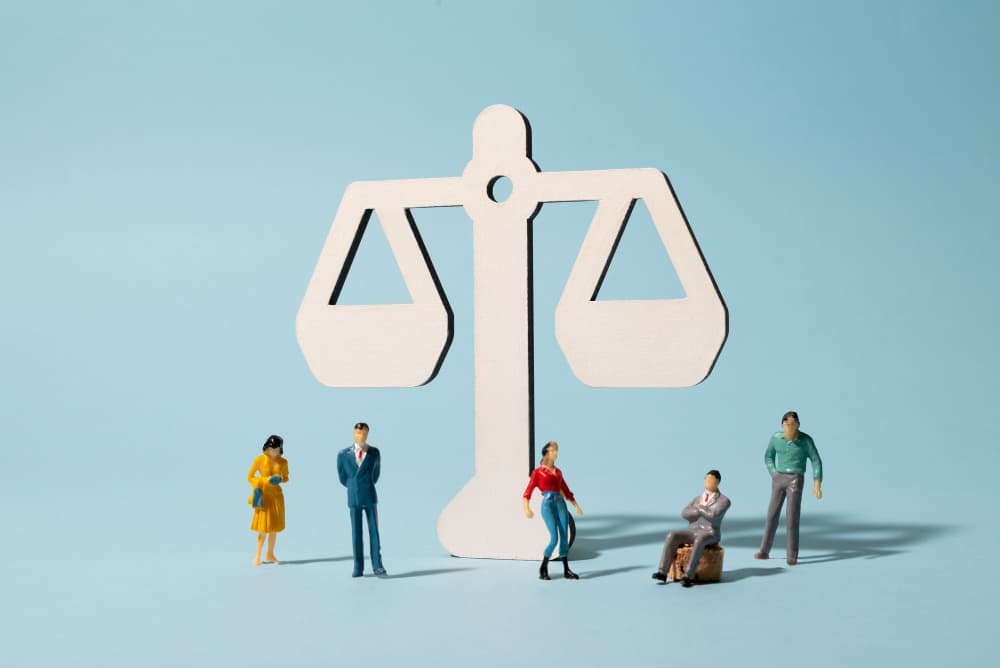
In the modern corporate world, the term “ethics” is often tossed around in boardrooms and employee handbooks. But what does it actually mean when the pressure is on and the quarterly targets are looming? Understanding a clear ethical definition is the first step toward building a workplace culture that doesn’t just survive but thrives.
At its core, a workplace is more than just a place of business; it is a community of diverse individuals. When ethical behavior is the foundation of that community, trust becomes the currency. When that trust is broken through unethical actions, the entire structure from productivity to brand reputation starts to crumble.
The Core: Understanding the Ethical Definition
To address behavior, we must first define the standard. An ethical definition in a professional context refers to a set of moral principles that govern a person’s behavior or the conducting of an activity. In the workplace, this means choosing the path that is “right” rather than just the path that is “profitable” or “easy.”
Ethics are not just about following the law; they are about honesty, fairness, and equity. While laws tell you what you must do, ethics tell you what you should do.
Pillars of Ethical Behavior: Building a Culture of Trust
When we look at examples of ethics in action, several key traits emerge as the gold standard for employees and management.
1. Transparency and Honesty
Being truthful about project timelines, budgets, and capabilities is the hallmark of an ethical professional. This includes admitting mistakes when they happen rather than shifting the blame to a colleague or an “unreliable system.”
2. Responsibility and Accountability
Ethical employees take ownership of their work. They don’t wait for someone to point out an error; they proactively correct it. This accountability builds a high level of trust within a team.
3. Respect for Diversity and Inclusion
In 2026, ethics are inseparable from inclusivity. Treating every colleague with dignity, regardless of their background, and ensuring equal opportunity for all is a primary ethical obligation.
The Red Flags: Common Examples of Unethical Behavior
Unfortunately, the workplace can also be a breeding ground for unethical shortcuts. Recognizing these early is vital for any leader or HR professional.
1. The “Gray Area” of Technology Usage
With the rise of integrated mobile systems, employees often use personal devices for work. However, using company time to explore personal apps or misusing system features is a growing concern. For instance, understanding what is AR Zone app is fine for personal curiosity, but spending hours on augmented reality doodles during a high-priority meeting is a lapse in professional ethics. Similarly, while tools like Android System Intelligence are designed to help with automation and suggestions, using them to bypass security protocols or scrape data inappropriately is a major red flag.
2. Harassment and Bullying
This is perhaps the most damaging form of unethical conduct. It creates a toxic environment that leads to high turnover and potential legal action. Ethics require a “zero tolerance” policy toward any form of intimidation.
3. Misuse of Assets and Expense Fraud
From taking office supplies home to padding expense reports for a business trip in the UK or UAE, small acts of “theft” often escalate. These actions undermine the financial integrity of the firm.
4. Conflicts of Interest
This occurs when an employee’s personal interests interfere or even appear to interfere with the interests of the company. An example would be a manager hiring a family member’s struggling business as a vendor without disclosing the relationship.
How to Address Unethical Behavior: A Strategic Guide
Addressing bad behavior is uncomfortable, but silence is seen as a form of endorsement. Here is how to handle it:
Step 1: Establish a Clear Code of Conduct
If it isn’t in writing, it’s hard to enforce. Every company should have a documented code of ethics that provides an ethical definition specific to their industry.
Step 2: Create a Safe Reporting Culture (Whistleblowing)
Employees are often afraid to speak up. Implementing an anonymous reporting system ensures that unethical behavior can be flagged without fear of retaliation.
Step 3: Consistent Enforcement
If a high-performing “star player” gets away with unethical behavior while a junior staff member is punished for the same act, the ethical fabric of the company is destroyed. Enforcement must be fair and universal.
Step 4: Lead by Example
Management sets the tone. If executives cut corners, the rest of the staff will assume that “winning at any cost” is the actual culture, regardless of what the handbook says.
Conclusion: The Long-Term Value of Integrity
Investing in ethics is not just “the right thing to do”; it is a savvy business move. Ethical companies enjoy higher employee retention, stronger customer loyalty, and fewer legal entanglements. In a world where every mistake can be amplified on social media, your reputation is your most valuable asset. By prioritizing ethical behavior and identifying the warning signs early, you ensure your business remains a global powerhouse built on a foundation of integrity.
Frequently Asked Questions (FAQs)
Q1: What is the simplest ethical definition for a workplace? In a workplace, ethics is the practice of applying fairness, honesty, and professional honor to all business interactions and decisions, even when no one is watching.
Q2: Can unethical behavior be accidental? Sometimes, yes. An employee might breach a policy they didn’t know existed. This is why continuous training and clear examples of ethics are necessary for every team member.
Q3: How do digital tools impact workplace ethics?
Digital tools can be a double-edged sword. While they increase productivity, they can lead to privacy breaches or time-wasting. Understanding the functions of your devices such as what is Android System Intelligence helps you use them responsibly without overstepping ethical boundaries.
Q4: What should I do if I witness my boss acting unethically?
Most organizations have a grievance or “whistleblower” policy. Check your employee handbook. If an internal solution isn’t possible, many professionals seek advice from HR or external legal counsel.
Q5: Are ethics different in different countries like the USA vs. the UAE?
While core values like honesty are universal, cultural nuances exist regarding gift-giving, communication styles, and hierarchy. A global company must adapt its ethical behavior guidelines to respect local cultures while maintaining its core moral standards.
Share this


