OTT

The Enterprise Guide to OTT Monetization: Strategies for Scaling Revenue in the USA & UAE

The streaming industry has crossed a critical threshold. A few years ago, the primary goal for broadcasters and media enterprises was pure subscriber acquisition. Today, the focus has shifted entirely toward sustainable profitability. As audiences in mature markets like the USA experience subscription fatigue, and rapidly growing markets like the UAE demand highly localized, premium content, platforms must intelligently engineer how they generate revenue.
adminAdmin
clockMax 10min read
calendar13-Aug-2026
The Enterprise Guide to OTT Monetization: Strategies for Scaling Revenue in the USA & UAE

The streaming industry has crossed a critical threshold. A few years ago, the primary goal for broadcasters and media enterprises was pure subscriber acquisition. Today, the focus has shifted entirely toward sustainable profitability. As audiences in mature markets like the USA experience subscription fatigue, and rapidly growing markets like the UAE demand highly localized, premium content, platforms must intelligently engineer how they generate revenue.

At the core of this financial transition is ott monetization. Building a beautiful app is only half the battle; integrating the correct payment gateways, ad servers, and dynamic billing logic is what transforms a media library into a highly profitable digital enterprise.

Whether you are drafting a comprehensive OTT Business Plan for a massive media conglomerate or looking to create your own OTT platform for a niche sports league, this architect-level guide breaks down the commercial models, technical requirements, and strategic best practices for maximizing streaming revenue.

What is OTT Monetization?

To capture the featured snippet for this query, here is the direct, technical definition:

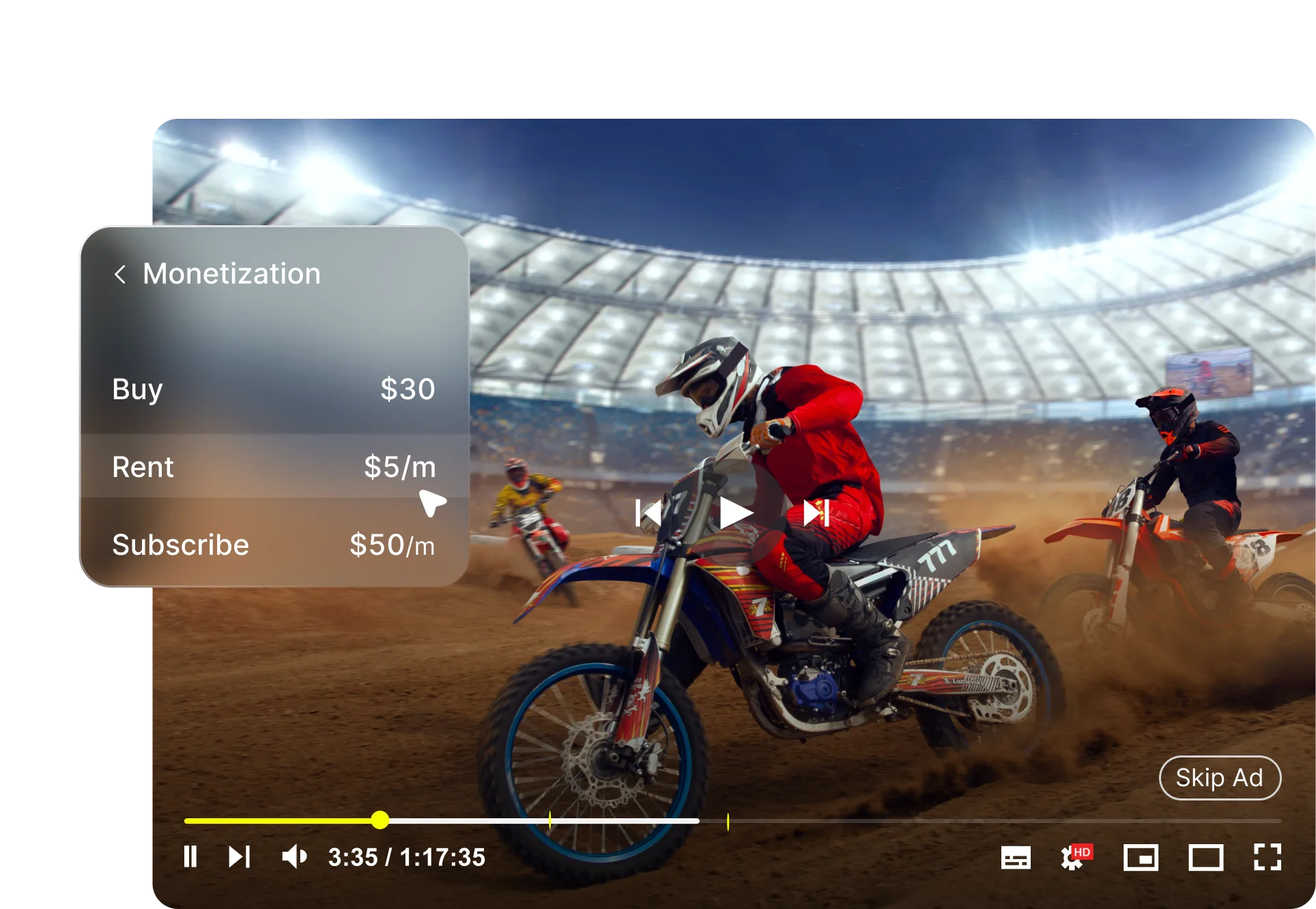
OTT monetization refers to the specific commercial frameworks and technological integrations that streaming platforms use to generate revenue from video and audio content delivered over the internet. This process involves utilizing dynamic subscription billing, server-side ad insertion (SSAI), or pay-per-view transactional gateways to convert active viewership into sustainable, recurring income.

Understanding the various ott monetization models allows platforms to adapt to shifting consumer behaviors, ensuring they do not rely solely on a single revenue stream in a volatile digital economy.

Market Dynamics: USA vs. UAE Streaming Landscapes

Implementing a monetization strategy requires a deep understanding of regional audience behaviors and economic conditions.

The United States: The Rise of FAST and Hybrid Tiers

The US market is heavily saturated. The average American household already subscribes to four or more streaming services. Consequently, pure subscription models are facing high churn rates.

To combat this, enterprise platforms in the USA are aggressively pivoting toward ad-supported tiers and Free Ad-Supported Streaming TV (FAST). US audiences are highly receptive to watching pre-roll and mid-roll commercials in exchange for lower monthly fees, making dynamic ad insertion a mandatory technical requirement for any new platform launch.

The United Arab Emirates: Premium Sports and TVOD

The UAE, acting as the digital heartbeat of the MENA region, boasts incredibly high smartphone penetration and high Average Revenue Per User (ARPU). Here, audiences are highly willing to pay premium prices for exclusive content, particularly live sports (like cricket and football) and localized Arabic entertainment.

In this market, Transactional Video on Demand (TVOD) for high-stakes live events and tiered VIP subscriptions dominate the revenue landscape.

Exploring Core OTT Monetization Models

There is no "one size fits all" approach to streaming revenue. The most successful broadcasters leverage one or a combination of the following ott monetization models:

1. Subscription Video on Demand (SVOD)

The traditional "Netflix model." Users pay a recurring monthly or annual fee for unlimited access to a content library.

  • Best For: Platforms with massive, constantly updated content libraries that can keep users engaged month after month.
  • Technical Need: Robust recurring billing engines with automated dunning management (handling failed credit card charges gracefully).

2. Advertising Video on Demand (AVOD)

The content is free to watch, but users must sit through targeted video advertisements.

  • Best For: Platforms with older, syndicated content or massive user bases where the sheer volume of views can drive substantial ad revenue.
  • Technical Need: Integration with VAST/VPAID ad tags and Server-Side Ad Insertion (SSAI) to prevent ad-blockers from disrupting revenue.

3. Transactional Video on Demand (TVOD)

The pay-per-view or digital rental model. Users pay a one-time fee to access a specific movie, series, or live event for a limited time.

  • Best For: Live sports, premium concert broadcasts, or early-release cinematic movies.
  • Technical Need: Instantaneous payment processing capable of handling massive traffic spikes right before a live event begins.

4. Free Ad-Supported Streaming TV (FAST)

A rapidly growing hybrid of traditional television and digital streaming. FAST channels stream scheduled programming 24/7 with built-in commercial breaks, completely free to the viewer.

  • Best For: Deep content catalogs (like 24-hour news, classic sitcoms, or weather) that can be stitched together into a linear feed.

5. The Hybrid Model (HVOD)

The modern industry standard. A platform offers a free ad-supported tier, a low-cost tier with limited ads, and a premium, ad-free subscription tier. This maximizes audience capture by appealing to all income levels.

Comparison Table: Choosing the Right Revenue Model

ModelPrimary Revenue SourceUser Barrier to EntryChurn RiskInfrastructure Cost
SVODRecurring monthly feesHigh (Requires credit card upfront)High (If new content slows down)Medium
AVODAd impressions (CPM)Low (Free to access)LowHigh (Requires heavy CDN usage)
TVODOne-time purchasesMedium (Pay per event)N/A (Event-based)Low (Storage) / High (Live Event Spikes)
HybridSubscriptions + AdsLow to High (Tiered)MediumHigh (Complex backend billing logic)

Architecture Diagram: The Technical Billing Workflow

(Descriptive breakdown of how enterprise monetization is engineered on the backend).

  1. Content Management & Protection: Videos are ingested into enterprise Video Content Management Systems. If the content is premium (SVOD/TVOD), it is encrypted using Digital Rights Management Software to prevent piracy.
  2. User Authentication: A user opens the app on their Smart TV. The backend verifies their session token against the entitlement database.
  3. The Billing Gateway:
    • If SVOD: The system checks if the user's monthly Stripe/PayPal subscription is active.
    • If AVOD: The system bypasses the payment gateway and triggers the Ad Decision Server (ADS).
  4. Ad Delivery (For AVOD/FAST): The ADS analyzes the user's demographic data and sends targeted ad video chunks to the video player just before the main content begins (Pre-roll).
  5. Secure Playback: Once payment is cleared or the ad is registered, the DRM license server issues a decryption key, and the high-definition video begins streaming via the Content Delivery Network (CDN).

Real-World Use Cases for Streaming Platforms

  • Regional Sports Broadcasters (TVOD + SVOD): A UAE-based sports network charges a $10 monthly subscription for historical match archives and talk shows (SVOD), but charges a one-time $25 fee for the live broadcast of a championship boxing match (TVOD).
  • Corporate & E-Learning (SVOD): Professional certification platforms utilizing custom OTT app development to charge recurring monthly fees for access to high-value IT training and corporate compliance videos.
  • Independent Filmmakers (AVOD + TVOD): Niche cinema platforms that offer older indie films for free with ads to build an audience, while charging $5 to rent newly released independent festival winners.

Pros and Cons of Different Strategies

Pros of a Strong Monetization Strategy

  • Revenue Diversification: Utilizing a Hybrid model ensures that if ad rates (CPMs) drop during an economic downturn, subscription revenue keeps the platform profitable.
  • Data-Driven Pricing: Advanced analytics allow platforms to A/B test subscription prices and determine exactly what the market is willing to pay.
  • Global Scalability: Digital payments allow platforms to instantly accept multiple currencies, opening up international markets without physical infrastructure.

Cons & Challenges

  • App Store Commissions: If users subscribe through iOS or Android apps, Apple and Google take a massive 15% to 30% cut of your revenue.
  • Technical Complexity: Managing distinct billing logic for different countries (e.g., applying correct taxes in the US vs. VAT in the UAE) requires sophisticated backend engineering.
  • Ad-Blockers: In poorly engineered AVOD systems, users can install ad-blockers that bypass commercials entirely, severely damaging revenue.

Architect Best Practices and Expert Tips

Expert Insight:

"The biggest mistake new platforms make is hard-coding their payment gateways into their mobile apps. Always build a centralized, API-driven entitlement engine on your backend. This allows you to instantly change pricing tiers, switch from SVOD to a Hybrid model, or offer promotional discounts without having to submit an app update to Apple or Roku."

Strategic Deployment Tips

  1. Implement Server-Side Ad Insertion (SSAI): For AVOD models, do not rely on Client-Side Ad Insertion. SSAI stitches the advertisement directly into the video stream on the server level, making it completely immune to browser-based ad-blockers and ensuring a TV-like, buffer-free transition.
  2. Drive Signups to the Web: To avoid the 30% "Apple Tax," restrict sign-ups on your mobile and Smart TV apps. Prompt users to create their accounts and enter their credit card information on your web browser first, then simply log into the app on their TV.
  3. Leverage Accelerated Solutions: If you want to deploy complex billing models quickly, do not build everything from scratch. Utilize White Label OTT Solutions that come pre-integrated with Stripe, PayPal, and leading ad servers to cut your time-to-market in half.

Frequently Ask Questions

Currently, the Hybrid Model (HVOD) is the most profitable. It maximizes audience reach by offering a free, ad-supported tier while generating high ARPU from premium subscribers who pay to remove ads.

AI services banner background

The Enterprise Guide to OTT Monetization: Strategies for Scaling Revenue in the USA & UAE