


 07-Apr-2026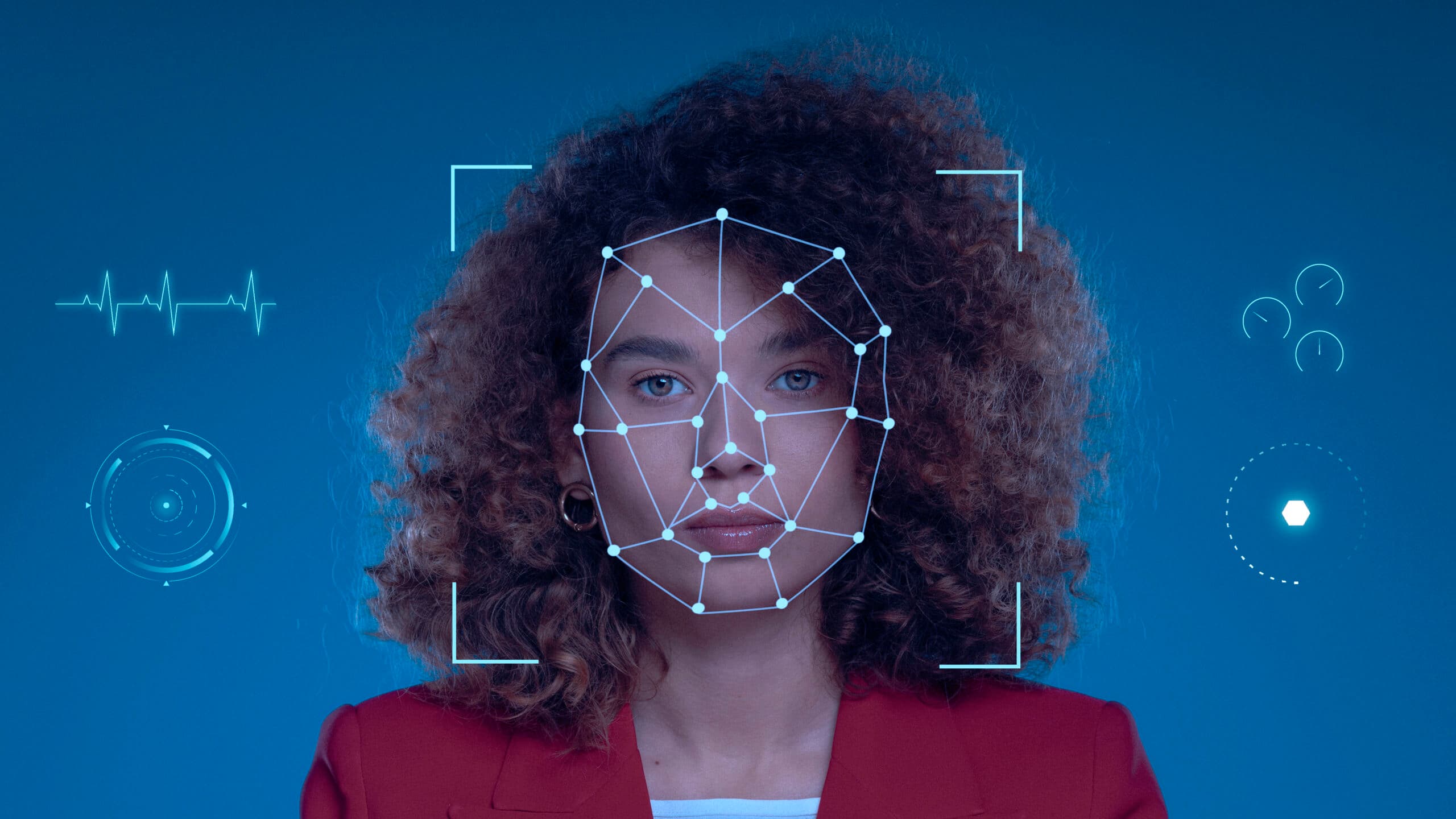
Security teams today rely on a face recognition program more than ever before. Whether it is protecting a corporate office, a public venue, or a national border, AI facial recognition software has become a core part of how organizations identify people quickly and accurately. A face recognition program works by analyzing unique facial features and matching them against a database in real time. It removes the need for manual checks and reduces human error at the same time.
Face identification software is no longer limited to governments or large enterprises. Businesses of all sizes now use a face recognition program to manage access, monitor attendance, and flag security threats. The technology has improved a lot over the last few years, and modern face recognition programs can work in low light, at distance, and even with partial face visibility.
How Does a Face Recognition Program Actually Work?
The Core Process Behind Face Identification Software
A face recognition program starts by detecting a face in an image or video frame. It then maps key points on the face, such as the distance between the eyes, the shape of the jawline, and the width of the nose. These measurements create what is called a "faceprint," which is unique to each person, similar to a fingerprint.
Once the faceprint is created, the AI facial recognition software compares it to stored records in a database. If there is a strong enough match, the system confirms the identity. The whole process can take less than a second in most modern systems. According to the National Institute of Standards and Technology (NIST), leading face identification software now achieves accuracy rates above 99% under controlled conditions (NIST FRVT Report, 2023).
What Makes AI-Powered Systems Different
Older face identification software relied on fixed rules and templates. AI-based systems learn from large amounts of data instead. They improve over time as they process more faces. This means the system gets better at handling challenging conditions, such as aging faces, facial hair changes, or different camera angles.
Deep learning, a branch of AI, is the main technology behind this improvement. Neural networks are trained on millions of images so the software can generalize well, even when it sees a face it has not encountered before.
Key Features of Modern AI Facial Recognition Software
Real-Time Identification
Real-time processing is one of the most important features in modern face identification software. Security teams need instant alerts, not delayed reports. Today's systems can scan multiple faces in a crowd simultaneously, which makes them useful for airports, stadiums, and transport hubs.
Real-time face recognition programs are often connected to live camera feeds. When the system detects a match against a watchlist, it sends an alert to the operator immediately. This speed is something manual checks simply cannot match.
Liveness Detection
A major concern with any face recognition program is spoofing, where someone tries to trick the system using a photo or a video of a person. Modern AI facial recognition software includes liveness detection to prevent this. The system checks for natural movements like blinking or subtle facial muscle activity to confirm the person is physically present.
This feature is especially important in banking, border control, and high-security facilities where identity fraud is a real risk.
Cross-Platform and Edge Compatibility
Modern face identification software does not always require a cloud connection. Many systems now support edge computing, which means processing happens directly on the device, such as a camera or a local server. This reduces delays and protects data, since images do not need to travel to an external server.
Edge-compatible face recognition programs are widely used in remote areas with limited internet access, as well as in environments with strict data privacy requirements.
Where AI Facial Recognition Software Is Being Used
Physical Security and Access Control
The most common use of a face recognition program is controlling who enters a building or restricted area. Instead of using keycards or PINs, employees simply look at a camera and the door opens. This removes the problem of lost cards or shared passwords.
Many corporate campuses and data centers have already moved to face identification software for access control. It creates a cleaner audit trail because every entry and exit is logged with the person's identity, not just a card number.
Law Enforcement and Public Safety
Law enforcement agencies use AI facial recognition software to identify suspects from CCTV footage. The system can scan thousands of hours of video and flag potential matches much faster than a human analyst. This has been used to solve crimes and locate missing persons.
That said, this use comes with ongoing public debate about privacy and civil liberties. Several cities in the United States have placed restrictions on how police departments can use face recognition programs, reflecting the need for clear guidelines (ACLU, 2023).
Retail and Customer Experience
Retailers use face identification software to understand shopper behavior and detect repeat shoplifters. Some stores use it to personalize the shopping experience for returning customers, though this is less common due to privacy concerns.
Loss prevention is the more widely accepted use case. A face recognition program can flag individuals who have previously been involved in theft, alerting staff before any incident occurs.
Healthcare and Patient Identification
Hospitals are beginning to use face recognition programs to verify patient identities. This reduces errors caused by missing or incorrect wristbands and ensures that medical records, medications, and procedures are matched to the right person. Given how costly medical errors are, this is one area where AI facial recognition software can have a direct impact on safety.
Privacy, Ethics, and Regulation
The Data Question
Every face recognition program collects and stores biometric data. Unlike a password, a faceprint cannot be changed if it is compromised. This makes data security a top priority. Organizations using AI facial recognition software must follow strict data storage and access policies to avoid breaches.
The European Union's General Data Protection Regulation (GDPR) treats biometric data as a special category, requiring explicit consent before it can be collected. Similar rules are developing in other regions.
Bias and Accuracy Across Demographics
Research has shown that some face identification software performs less accurately on darker skin tones and women compared to lighter-skinned men. A 2019 study by MIT Media Lab found error rates as high as 34.7% for darker-skinned women in some commercial systems, compared to less than 1% for lighter-skinned men.
Reputable vendors are now working to address this by using more diverse training data and running regular bias audits on their systems. When choosing a face recognition program, it is important to ask vendors about how they test for demographic fairness.
Choosing the Right Face Identification Software
What to Look For
When evaluating AI facial recognition software, a few factors matter most. Accuracy under real-world conditions, not just lab conditions, is the first thing to check. Ask the vendor for independent benchmark results, ideally from NIST or a similar body.
Speed matters too. A face recognition program that takes several seconds per match is not practical for high-traffic environments. Look for systems that can process matches in under a second.
Integration is another key factor. The software should connect to your existing cameras, access control systems, and databases without requiring a complete infrastructure overhaul.
Vendor Transparency
Choose vendors that are open about how their face identification software was trained, what data it uses, and how it handles errors. Vendors who offer bias testing reports and third-party audits are generally more trustworthy.
Also check for compliance certifications relevant to your region, such as GDPR compliance in Europe or SOC 2 in the United States.