
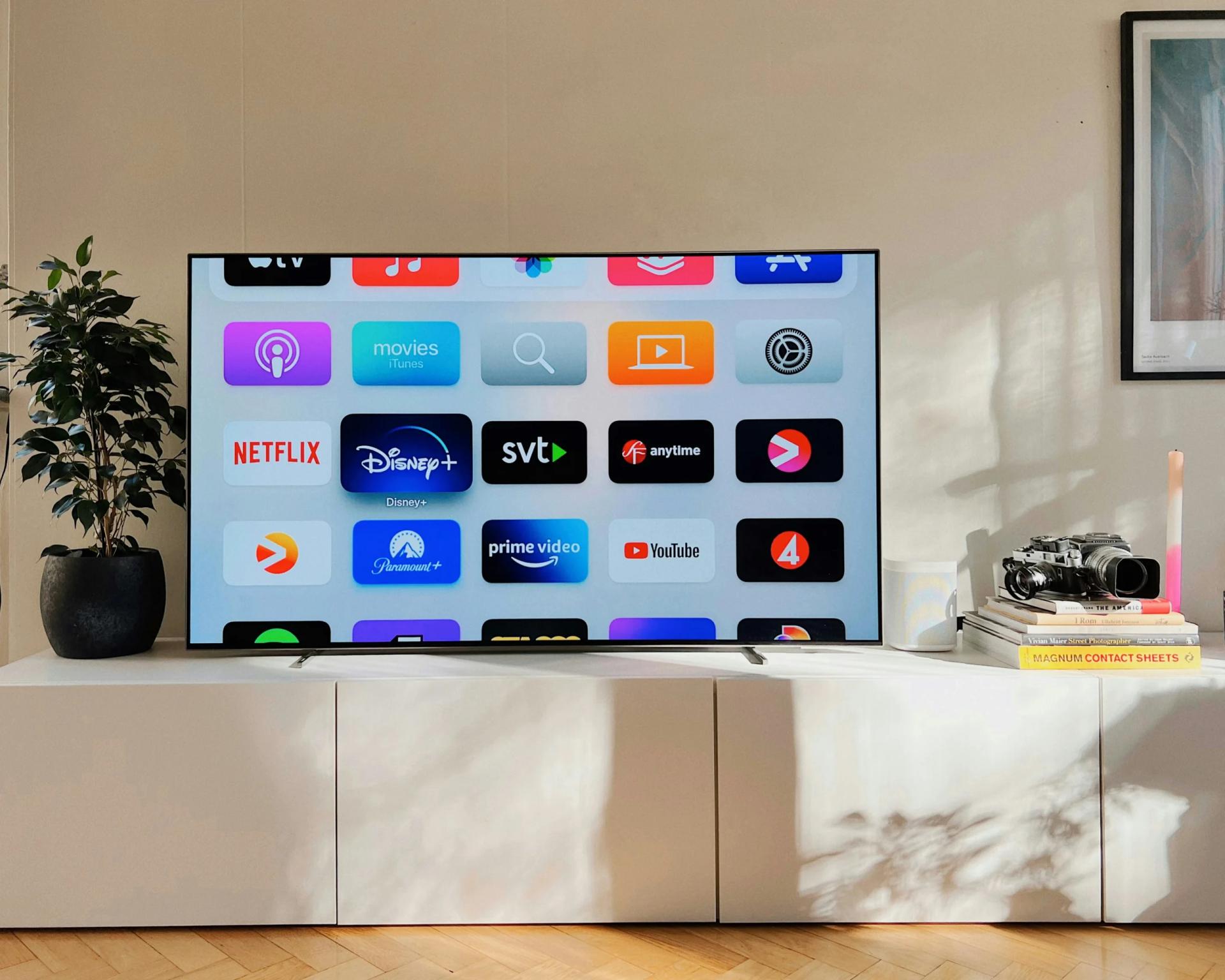
VOD is changing how we watch content, and the shift is happening fast. Today people want control over what they watch and when they watch it. This is why VOD platforms are growing and why TVOD, SVOD, and AVOD are shaping the next chapter of streaming.
Let’s understand VOD, and some of the most popular monetization models in this detailed blog.
What is Video on Demand (VOD)?
Video on Demand (VOD) is a technology that lets you watch videos whenever you want. Unlike traditional broadcast TV, where you have to wait for a specific time for a show to start, VOD puts you in control. You simply select a movie or show from a digital menu and press play instantly on your television, computer, or smartphone.
Think of it like a digital library that is always open. You don’t need a physical disc like a DVD because the video streams directly over the internet. You can pause, rewind, or fast-forward whenever you like. Some services charge a monthly fee to access their library, while others let you rent movies individually or watch for free with commercials.
You likely use VOD every day. The most famous examples are subscription services like Netflix, Disney+, ARYZap and Hulu. If you watch videos on YouTube, that is VOD too.
VOD has changed entertainment by making your favorite stories available on your own schedule. The industry is booming, worth billions and growing as more people turn to on-demand content for fun, learning, and leisure.
Three Key VOD Models Driving the Future of Streaming
VOD platforms use three main models to make money, each offering a different way for viewers to access content.
TVOD (Transactional Video on Demand)
TVOD is transactional VOD. You pay for each individual movie, episode, or event you want to watch. Think of it like buying a single ticket to a concert or renting a movie at a video store. This model works well for new releases or special content that viewers are willing to pay for once.
Example: Renting a newly released movie on Apple iTunes or Amazon Prime Video for a one-time fee.
SVOD ( Subscription Video on Demand)
Then we have the SVOD model. It gives you unlimited access to a library of content for a fixed monthly or yearly fee. It’s like joining a gym, you pay regularly and can use everything inside. This model encourages exploration and binge-watching because all the content is unlocked as long as your subscription is active.
Example: Netflix, Disney+, or HBO Max, paying a monthly fee to access all their shows and movies.
AVOD (Advertising-based Video on Demand)
AVOD allows viewers to watch content for free while the platform earns revenue through ads. It works like traditional television, where ads interrupt the content briefly, but viewers don’t pay to watch. This model is popular with people who want free access without committing to a subscription.
Example: YouTube, Pluto TV, or Tubi, where free streaming is supported by short advertisements.
How VOD Models Shape the Viewer Experience
Each VOD model changes the way viewers feel while watching. With TVOD, the simple act of paying makes the viewing session feel more focused. You sit up straighter. You know you bought it, and you want the best experience. Many people use TVOD for premieres or for films they have waited months to see.
SVOD feels relaxed. You can jump between shows without stress. You can pause and return later. You can browse for ten minutes just to find the right mood. It becomes part of your daily routine. You might watch a short episode while eating, or a long series over the weekend. The subscription makes it easy.
AVOD feels light and open. You may watch short clips or older seasons of shows. You accept the ads because you are not paying. Some people keep AVOD running in the background while doing chores. The flow is casual. The platform feels like a friendly free library where the only trade is watching a few ads.
Overall, VOD gives viewers the power to shape their own experience. Whether that experience is premium, casual, or subscription based, VOD puts the control in the viewer’s hands.
The Impact of VOD on Consumers’ Viewing Experience
For consumers, the future of VOD offers more choice and more flexible pricing. People no longer want one type of plan. They want options that match real life. A consumer may use TVOD for new movies, SVOD for regular watching, and AVOD for casual background viewing. This mix is becoming normal.
Consumers will also get better recommendations. VOD platforms are improving at reading viewing habits. You might receive faster suggestions that match your mood. You might see personalized rows of titles that reflect what you watched earlier in the week. You feel the comfort of a catalog that understands your taste.
Another big change will be lower cost entry points. More SVOD platforms are creating hybrid plans that include ads. This helps people who want quality content without high monthly fees. Customers will move between tiers based on budget and mood.
Most importantly, VOD is becoming device friendly. Whether you use a phone, desktop, tablet, or TV, the feel of starting a show will stay quick. That quick tap and instant playback will remain a core part of the VOD experience for consumers.
What VOD Means for Vendors: Agencies, SMBs, and Enterprises
VOD is opening a new field for vendors such as advertising agencies, SMBs, and large enterprises.
For agencies, VOD offers targeted ad placement. Instead of showing ads to everyone, agencies can place ads based on viewing habits. This gives better results and lower waste. Agencies can track what people watch, when they watch, and what type of content leads to more click throughs.
For SMBs, VOD is a path to reach local and niche audiences. An SMB can place ads on AVOD platforms at a low cost. This helps them show their message to their exact community. The feel is different from traditional TV. SMBs can see simple metrics and adjust quickly.
For large enterprises, VOD will become a major branding stage. With SVOD and AVOD partnerships, enterprises can run long term ad campaigns. They can also sponsor original shows or place products inside VOD content. This shifts the relationship between brands and viewers. Instead of being intrusive, the ads blend into the viewer’s routine.
Vendors will also benefit from transparent analytics. They can see watch times, skip rates, and user interest. This helps agencies, SMBs, and enterprises plan smarter campaigns. As VOD grows, vendors will treat it as a main channel instead of a side option.
In the end, VOD keeps growing because it gives control to viewers and new opportunities to vendors. Whether you are watching for fun or advertising to reach customers, VOD has a model that fits your needs.
Connect with ARYtech
At ARYtech, we are creating innovative solutions for the world of VOD. Our platforms, like ARY ZAP, let viewers watch what they want, when they want, while helping businesses reach the right audience. We focus on creating smooth, flexible, and engaging experiences for everyone in the world of on-demand video.
If you have something to discuss, you can reach out to us at info@arytech.com.
FAQs
What is VOD?
VOD (Video on Demand) lets you watch shows or movies anytime you want.
What is TVOD?
TVOD charges you for each title you buy or rent.
What is SVOD?
SVOD gives unlimited access to a content library for a subscription fee.
What is AVOD?
AVOD is free to watch but supported by ads.
Do all VOD platforms use the same model?
No, many platforms use a mix of TVOD, SVOD, and AVOD.
Why is VOD becoming so popular?
It gives viewers control over what, when, and how they watch.
How do VOD platforms make money?
Through subscriptions, one-time purchases, or advertising.
Can I watch VOD content on multiple devices?
Most platforms let you watch on TV, phone, tablet, or computer.
Can businesses benefit from VOD platforms?
Yes, vendors can reach audiences and advertise through VOD services.
What types of content are available on VOD?
Movies, TV shows, documentaries, live events, and more.
Share this


